Understanding the Mechanics of Stock Regulation in the U.S.
author:US stockS -
In the dynamic world of finance, the regulation of stocks is a cornerstone of market stability and investor confidence. The United States, with its robust stock market, has established a comprehensive regulatory framework to ensure fair and transparent trading. This article delves into the key players, regulations, and the impact of these measures on the stock market.
The Regulatory Landscape
The primary regulatory body overseeing stocks in the U.S. is the Securities and Exchange Commission (SEC). Established in 1934, the SEC's mission is to protect investors, maintain fair, orderly, and efficient markets, and facilitate capital formation. The SEC enforces federal securities laws, administers rules, and takes appropriate action against violations of these laws.
Key Regulations
Securities Act of 1933: This act requires companies to register their securities with the SEC before offering them to the public. It ensures that investors have access to important information about the securities they are considering purchasing.
Securities Exchange Act of 1934: This act establishes the framework for the regulation of securities exchanges and requires companies to file periodic reports with the SEC. It also gives the SEC authority to investigate and take action against fraudulent and manipulative practices.
Investment Company Act of 1940: This act regulates investment companies, such as mutual funds and exchange-traded funds (ETFs), to protect investors and ensure that these companies operate in the best interest of their shareholders.
Trust Indenture Act of 1939: This act governs the issuance of debt securities, such as bonds, to protect investors and ensure that issuers comply with certain requirements.

Impact of Regulation
Regulation plays a vital role in maintaining the integrity of the U.S. stock market. It helps prevent fraud, manipulation, and insider trading, which can undermine investor confidence and disrupt market stability. By ensuring that companies provide full and fair disclosure, regulation fosters an environment where investors can make informed decisions.
Case Studies
Enron Scandal: In 2001, the energy company Enron collapsed after years of fraudulent accounting practices. The scandal highlighted the importance of robust regulation and led to significant reforms, including the Sarbanes-Oxley Act of 2002, which strengthened corporate governance and financial reporting requirements.
Facebook IPO Controversy: In 2012, Facebook's initial public offering (IPO) was widely criticized for its handling by the underwriters and the SEC. The controversy underscored the need for careful regulation and oversight to protect investors.
Conclusion
The regulation of stocks in the U.S. is a complex and essential process that ensures the integrity and stability of the financial markets. Through the efforts of the SEC and other regulatory bodies, investors can have confidence in the fairness and transparency of the stock market. By understanding the key regulations and their impact, individuals can make more informed investment decisions.
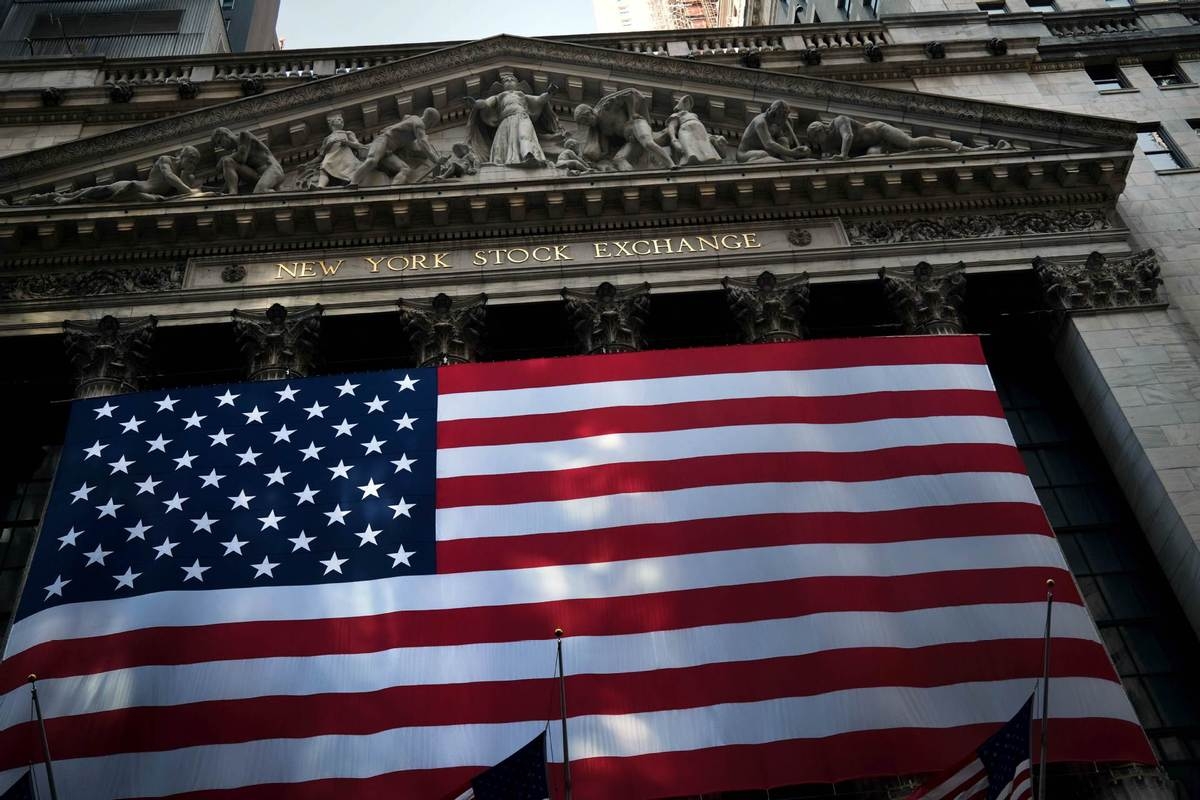
us flag stock